multiplex-ad

Showing posts with label Pharmacy Exam Important Points. Show all posts

SPLE Prometric Exam Practice Questions - Saudi Pharmacist Licensing Exam SLE Mock Test - Part 3

  Saudi Pharmacist Licensing Exam Questions

Saudi Prometric SPLE exam preparation MCQs
www.pharmacyuop.blogspot.com


51) Because of under-use, overuse, and misuse of medications and treatments, patients are harmed and resources go wasted. Clearly, we need improvement in the quality of pharmacy services. In this regard, a pharmacy department wants to design a system that will maximize the value of drug therapy to patients. Which of the following systems should the pharmacy department adopt?

A) patient safety first program

B) pharmacy benefit management program

C) communication with the prescriber and the therapist

D) networking of local pharmacies and adopting the bar-code system 

E) digitalize the whole pharmacy system


52) Following is the data of heights in cm of 13 pediatric patients :

95, 103, 107, 110, 129, 124, 129, 136, 95, 147, 142, 140, 153

Measuring the central tendency, what does the value '129' represent?

A)Mode

B)Mean 

C)Median

D)Confidence interval

E) Average


53. Identify the one statement that is INCORRECT about colipase?

A) a co-enzyme required for optimal activity of pancreatic lipase

b) colipase is secreted from the pancreas in an inactive form as pro-colipase

c) procolipase is converted into colipase in the intestinal lumen by trypsin

d) plays a crucial role in the digestion and elimination of phospholipids

e) does not hydrolyze cholesterol esters into cholesterol and free fatty acids


54) A 35-year-old mother who is breastfeeding her child has recently been diagnosed with consistently high blood pressure. The physician consults the pharmacy for the recommendation of an antihypertensive agent. As a pharmacist which among the following anti-hypertensives you will not recommend as it is going to be most hazardous for the child?
A) Nifedipine 
B) Verapamil
C) Atenolol
D) Metoprolol
E) Propranolol


55) Preferred antibiotic therapy for a patient diagnosed with community-acquired pneumonia (CAP) that needs to be treated as an inpatient;
a) doxycycline
b) macrolide
c) levofloxacin plus vancomycin
d) ceftriaxone plus macrolide
e) azithromycin


56) The imipenem antibiotic is commonly administered with cilastatin to treat a variety of bacterial infections. What is the rationale behind this combo?
a) increases gram-negative activity
b) decreases gram-positive activity
c) increases the half-life of imipenem
d) decreases the volume of distribution of imipenem
e) renders imipenem to be renal-friendly


57) How many milliliters of 0.250M Sodium Hydroxide are required to neutralize 40mL of 0.125M Hydrochloric acid?

a) 10mL

b) 15mL

c) 18mL

d) 20mL

e) 25mL


58) Identify the one statement that is WRONG about starch?

a) it is the storage form of glucose in botanicals

b) it is a trisaccharide molecule

c) it is a mixture of amylose and amylopectin

d) natural starches predominantly consist of amylopectin

e) employed as a binder, diluent, and disintegrant in tableting


59) A patient is recently diagnosed with a particular type of inflammatory bowel disease called ulcerative colitis. The doctor prescribes Cortisone and Mesalazine for the treatment of this condition. What supplement must be used along with the prescribed medicines?

a) Vitamin B12

b) Calcium

c) Iron

d) Vitamin B6

e) Folic acid


60) The dominant hormone around the ovulation phase of the menstrual cycle is;

a) LH

b) FSH

c) estradiol

d) progesterone

e) estrogen


61) Which of the following measures of concentration will not be affected by the changes in temperature?

a) molality

b) normality 

c) molarity

d) formality 

e) none of the above


62) The recommended daily dose of folic acid in pregnancy is;

a) 400 mcg

b) 500 mcg

c) 600 mcg

d) 800 mcg

e) 1200 mcg


63) Iron is recycled in our bodies through?

a) transferrin

b) hemosiderin

c) ferritin

d) biliverdin 

e) iron is not recycled in our bodies


64) Which drug is recommended for treating a woman with phobia of cars?

a) alprazolam

b) carbamazepine

c) diazepam

d) buspirone

e) adrenaline


65) In the titration of a strong acid and a weak base, which of the following indicators is suitable?

a) thymol blue

b) phenolphthalein

c) methyl orange

d) litmus

e) fluorescein


66) The common complaint of patients that are taking beta-blockers;

a) sinking heart

b) cold hands or feet

c) hypotension

d) hypoglycemia

e) increased anxiety


67) Identify the pure synthetic opioid compound from among the following;

a) Buprenorphine

b) Heroin

c) Morphine

d) Fentanyl

e) Oxycodone


68) Which of the following drugs need dosage adjustment in patients with chronic kidney disease?

a) ceftriaxone 

b) clindamycin 

c) imipenem-cilastatin

d) azithromycin

e) Amoxicillin


69) The rationale behind the coloration of solid oral dosage forms like tablets and capsules is;

a) helps patients in the identification of a medication

b) gives identity to a brand in the marketplace

c) increases the aesthetic value of the product

d) helps to reduce the chance of counterfeiting

e) all of the above


70) What prescription abbreviation is used to denote 'take medicine when required or needed?

a) stat

b) prn

c) nmt

d) tpn

e) gtt


71) Which opioid among the following has the shortest half-life?

a) methadone

b) remifentanil

c) pethidine 

d) fentanyl

e) morphine


72) BPH or benign prostatic hyperplasia can be worsened by;

a) diphenhydramine

b) pseudoephedrine

c) amoxapine 

d) diuretics

e) all of the above


73) Point out the one WRONG statement from among the following;

a) bipolar disorder drug Lithium causes painful cold fingers and toes

b) phenelzine is useful in the treatment of social phobia

c) long-term benzo therapy increases the risk of dementia

d) max daily dose of simvastatin in geriatrics is 80 mg per day

e) Ativan is a brand name of lorazepam


74) Which among the following is NOT a polysaccharide molecule?

a) hyaluronic acid

b) glycogen

c) cellulose

d) chitin

e) galactose


75) A pharmacist prepares a 600 mL solution of 0.1M Sodium Bromide in a quality control lab. Calculate the number of milligrams of bromine present in this solution?
(Atomic weights; Na = 23, Br = 80)

a) 1800 mg

b) 2200 mg

c) 4000 mg

d) 4800 mg

e) 5150 mg


SPLE Prometric Exam Practice Questions - Part 8


----------- Continued


SPLE Prometric Exam Practice Questions - Saudi Pharmacist Licensing Exam SLE Mock Test - Part 2

 Saudi Pharmacist Licensing Exam Questions

Saudi Prometric SPLE exam preparation MCQs
www.pharmacyuop.blogspot.com


26) A 25-years-old male is admitted to a hospital due to a hypersensitivity reaction to some drug ingested some three hours ago. The patient is given a drug that causes dilatation of vessels in muscle, constriction of cutaneous vessels, and positive inotropic and chronotropic effects on the cardiac tissue.

Which of the following is the most likely drug given? 

A)Adrenaline

B)Isoproterenol

C)Acetylcholine

D)Metaproterenol

E) Atropine


27) Following is the data of heights in cm of 13 pediatric patients :

90, 9, 103, 107 ,110 ,124 ,129, 131 ,136 ,140 ,142 ,145 ,150

Measuring the central tendency, what does the value '129' represent?

A)Mode

B)Mean 

C)Median

D)Confidence interval

E) Average


28) The pharmacological effects of four antihypertensive drug classes (A-D) on the renin-angiotensin system are shown in the following table;

ParametersDrug-ADrug-BDrug-CDrug-D
Renin-Conc.🠋🠉🠉🠉
Angiotensin-I-Conc.🠋🠉🠉🠉
Angiotensin-II-Conc.🠋🠋🠉🠉
Angiotensin-Receptor------🠋---

Which class is represented by the drug -D?

A Diuretics
B Direct Renin inhibitors
C Angiotensin II receptor blockers
D Angiotensin-converting enzyme inhibitor
E) Adrenergic agents


29) The mode of transmission refers to how an infectious agent can be transferred from one person to another. Which among the following describes the mode of transmission of coronavirus?
A) by consuming contaminated foods and drinks
B) through blood transfusion
C) fomite transmission
D) by coming in contact with the patient's saliva
E) through the respiratory route


30) Eukaryotic cells contain highly abundant, small nuclear-bound non-coding RNAs that are specifically called snRNAs or small nuclear RNAs. The function of these snRNAs molecules in protein synthesis is;
A) Genetic blueprint for the protein
B) Modifies mRNA molecules
C) Assembly of amino acids
D) Translates genetic code to amino acid
E) Act is a catalyst


31) The primary reaction of our bodies to a foreign harmful substance is innate immunity. Identify the component that is not part of the innate immune system?
A) respiratory tract
B) eyelashes 
C) gastrointestinal tract
D) inflammatory response
E) all of the above are parts of the innate immune system


32) Which immune system cells produce and release histamine as part of the immune response to pathogenic intruders?
A) Dendritic cells
B) Mast Cells
C) Basophils 
D) Neutrophils 
E) Both B and C


33) A pediatric patient has been diagnosed with a kind of blood cancer called Philadelphia chromosome-positive chronic myeloid leukemia (Ph+ CML) and has been prescribed an imatinib 400mg daily regimen. Which information is incorrect regarding the dosing and administration of this anti-cancerous agent?
a- should be taken with a meal to prevent stomach upset
b- the 400mg daily dose should be administered in divided doses
c- can be dissolved in water or apple juice before taking
d- administration with iron supplements should be avoided
e- during therapy sun exposure should be minimized


34) There are many types of medication errors possible in a healthcare setting, some are easily preventable while others are difficult to prevent. Which of the following medication errors is difficult to prevent?
A) Dispensing an incorrect medication, dosage strength, or dosage form
B ) Omission error
C) Wrong time error
D) Incorrect duration of treatment 
E) Allergic reactions to a medication


35) Which of the following best describes the structure of the healthcare systems in Saudi Arabia?
A) private healthcare system
B) public healthcare system
C) 2-tier system
D) 3-tier system
E) 4-tier system


36) A 69-year-old lady presented with a complaint of severe dry cough for a week. She has recently been prescribed the following medications;
-- hydrochlorothiazide and captopril for hypertension, 
-- sitagliptin and metformin to manage her high blood sugar, 
-- salbutamol and fexofenadine for allergic asthma.
Which drug is the most likely cause of the patient’s complaint? 
A) Fexofenadine
B) Sitagliptin
C) Captopril
D) Salbutamol
E) Hydrochlorothiazide


37) As part of the survey of pharmacy staff, which one of the following best describes pharmacy health literacy assessment? 
A) Measure how well the pharmacy is serving patients with limited health literacy skills
B) Discover gaps in the written information provided to served patients
C) Measuring how well the pharmacy staff is health literate
D) Explore understanding of health care information by the illiterate
E) Assess the level of literacy in the served patients


38) In a gynecological scenario, which of the following agents can be employed to cope with labor pain?
a- ropivacaine
b- oxymorphone
c- pentazocine
d- butorphanol
e- all of the above


39) The following drug(s) can suppress lactation for women who do not want to breastfeed their babies;
a- clomiphene
b- bromocriptine
c- ergot derivatives
d- androgens
e- all the mentioned agents


40) A 26-year-old man encounters a serious road crash. He is brought to the hospital with deep wounds. His vaccination history is unknown. Which of the following would be best to administer to this patient at this time?
A)Tetanus toxoid
B)Tetanus vaccine
C)Tetanus immunoglobulin 
D)Tetanus vaccine and tetanus immunoglobulin
E)Tetanus vaccine and human papillomavirus vaccine


41) Which agent among the following can be prescribed to women who want to breastfeed their babies?
a- levodopa
b- metoclopramide
c- bromocriptine
d- tamoxifen
e- ergotamine


42) The complement system part of the innate immune system can be activated by which of the following immunoglobulins?
A) IgM
B) IgE
C) IgA 
D) IgG
E) Both A and D


43) The antibacterial agent Amoxicillin has been classified under category B according to the FDA categories of drug safety during pregnancy. This means what?
A) No satisfactory animal or human studies have been conducted
B) Controlled human studies show no fetal risks from amoxicillin exposure
C) Evidence of human fetal risk exists, but the benefits may outweigh the risks
D) No proper pregnant women studies but animal studies show a risk to the fetus
E) No risk to the fetus in animal studies but no adequate humans studies


44) Which of the following is the function of the pharmacy and therapeutics (P&T) committee in a hospital setting?
A) Responsible for poison cases management
B) Educating the medical staff regarding patient treatment
C) Monitor the medication error reporting 
D) Responsible for drug formulary management
E) Monitor the adverse drug reactions reporting


45) Glycogen which is the storage form of glucose in our bodies, its breakdown process is referred to as ____________ in the literature.
A) Respiration
B) Glycogenesis 
C) Glycogenolysis
D) Gluconeogenesis
E) Glycolysis


46) Before the research initiation, investigators must submit all the relevant research protocols to the administrative body of IRB or Institutional Review Board for review and obtain its approval. What is the main responsibility of this board?
A) to facilitate the smooth conduction of research
B) to provide the needed funds for the research 
C) to protect the rights, welfare, and privacy of human research subjects
D) to decide about the most appropriate sample size for the research
E) to help in collecting the research data


47) Patients living with chronic conditions can be helped with their medication adherence through an in-home electronic medication dispensing system which research has shown to be effective for achieving better results. Which of the following can be used for this purpose?
A) Text messaging
B) Cell phone calendar
C) e-pill Multi Alarm TimeCap 
D) Med-E-Lert Automatic Pill Dispenser
E) ScriptPro machine


48) In regard to managing geriatrics patients, which of the following strategies can be used to encourage them for changing their behavior? 
A) Use teach-back more often throughout the session
B) Introduce new concepts more slowly
C) Use briefer educational sessions
D) Express explicitly the adverse health outcomes in case they do not take their medications
E) Use more visual aids, gestures, yes/no responses, and facial expressions


49) Alcohol dehydrogenase is an enzyme that is found primarily in the liver and stomach. Which of the following best describes its function?
A) accelerates the reduction of ethanol
B) accelerate the addition of hydrogen to ethanol
C) accelerates the addition of phosphate to ethanol
D) accelerates the removal of hydrogen from ethanol
E) accelerates the conversion of ethanol into carbon dioxide and water


50) Nitrogenous bases in DNA are grouped into two categories: purines and pyrimidines. Which of the following pairs represents the pyrimidine nitrogenous bases?
A) Adenine and Uracil
B) Guanine and Uracil
C) Adenine and Guanine
D) Cytosine and Guanine
E) Cytosine and Thymine


-----------  Continued...


SPLE Prometric Exam Practice Questions - Saudi Pharmacist Licensing Exam SLE Mock Test - Part 1

Saudi Pharmacist Licensing Exam Questions

Saudi Prometric SPLE exam preparation MCQs
www.pharmacyuop.blogspot.com


1) USP Compounded Preparation Monographs (CPMs ) provide information about:

A) Preparation Formulas (ingredients and quantities)
B) Directions to correctly compound the preparation
C) Beyond-use dates based on stability studies
D) Packaging and storage information
E) All of the above


2) Neurotransmitters can be classified based on their function which is either excitatory or inhibitory. Which of the following is classified as an inhibitory neurotransmitter?

A) Aspartate

B) Serotonin

C) Glutamate

D) Gama aminobutyric acid

E) Dopamine


3) The pharmacological effects of four antihypertensive drug classes (A-D) on the renin-angiotensin system are shown in the following table;

ParametersDrug-ADrug-BDrug-CDrug-D
Renin-Conc.🠋🠉🠉🠉
Angiotensin-I-Conc.🠋🠉🠉🠉
Angiotensin-II-Conc.🠋🠋🠉🠉
Angiotensin-Receptor------🠋---

Which class is represented by the drug -A?

A Diuretics
B Direct Renin inhibitors
C Angiotensin II receptor blockers
D Angiotensin-converting enzyme inhibitor
E) Adrenergics


4) Pathogenic microbial life causes many of the known diseases of the human system. Which of the following micro-organisms is causative of typhoid fever?

A) Shigella

B) Flavivirus

C) Salmonella

D) Treponema pallidum

E) E. coli


5) The compound 'Otilonium bromide' is indicated for the treatment of;

a) certain types of tumors

b) irritable bowel and painful spastic states

c) nausea and vomiting during chemotherapy

d) painful asthmatic states

e) third-degree skin burns


6) Calcium homeostasis regulates calcium flow to and from the bones. Which of the following substances plays a role in calcium homeostasis?

A) 1,25-dihydroxy cholecalciferol and calcitonin

B) 1,25-dihydroxy cholecalciferol and insulin

C) parathyroid hormone and glucagon

D) thyroid hormone and glucagon

E) Insulin and lipase


7) Which of the following pharmaco-economic studies is the simplest because the outcomes are assumed to be equivalent and only the costs of intervention are compared?

A) cost-utility analysis

B) cost-benefit analysis

C) cost-minimization analysis

D) cost-effectiveness analysis

E) cost-outcome analysis


8) Which of the following types of studies in medicine is more susceptible to recall bias?

A) Retrospective cohort study

B) Prospective cohort study

C) Randomized controlled trial

D) Non-randomized controlled trial\

E) Meta-analysis


9) USP Chapter <797> provides standards for:

A) compounding nonsterile preps
B) compounding sterile preps
C) handling of hazardous drugs in healthcare
D) storage conditions of pharmaceuticals during their lifetime
E) compounding and repackaging of radiopharmaceuticals


10) Which of the following scenarios is considered a violation of ethics?

A) Submitting a research approval extension request to the institutional review board after failing to finish the project within the approved period

B) Direct-to-consumer pharmaceutical advertising (DTCPA)

C) Calling patients to collect information after telling them about the project and getting their agreements

D) Drawing blood samples after getting approval from the institutional review board

E) Distributing questionnaires to patients waiting in emergency to collect information about their health status without a consent form


11) Which of the following communication techniques is the most appropriate at the message you want to deliver to a patient (or healthcare provider) is received correctly?

A) Feedback
B) Direct contact
C) High voice tone
D) Non-verbal communication
E) Body language


12) Narcotic drugs may cause dependence and addiction after repeated administration. Which of the following drugs is placed under the narcotic classification?

A) Pentobarbital
B) Midazolam
C) Loprazolam
D) Phenytoin 
E) Fentanyl


13) Which one of the following strategies is used with low literacy or illiterate patients to encourage them to change their behavior?

A) Keep information focused and organized
B) Use a normal speaking tone and volume
C) Use briefer educational sessions
D) Use more visual aids
E) Use the carrot and stick approach


14) A study design of randomized controlled trial or RCT has many advantages. Which of the following is the disadvantage of conducting a randomized controlled trial?

A) Expensive
B) High possibility of bias
C) Difficult to control confounders
D) Investigators can use multiple methods of randomization
E) Cannot be used for hypothesis testing


15) Which of the following is the most appropriate source for prescribed information on compounding medications?

A) Micromedex
B) Orange book
C) A drug information website
D) United states pharmacopeias (USP)
E) Pharmacist


16) For optimum results of a drug therapy, adherence on part of the patient is absolutely essential. Which of the following measurements is used to assess patient compliance?

A) Drug utilization reviews
B) Medication event system
C) Medication possession ratio
D) Medication therapy management
E) Review of drug side effects


17) USP chapters are given against their description in the options below Identify the INCORRECT match;

A) USP Chapter <795> standards for nonsterile preparations
B) USP Chapter <797> standards for sterile preparations
C) USP Chapter <800> standards for hazardous drugs handling
D) USP Chapter <825> standards for radiopharmaceuticals
E) USP Chapter <839> standards for packaging materials


18) Which of the following immunoglobulin (Ig) is frequently found to be elevated in asthmatic patients?

A) IgA
B) IgE
C) IgM
D) IgD
E) IgG


19) Which governing body is responsible to promote public health in Saudi Arabia?

A) Saudi Food and Drug Authority
B) Ministry of Education
C) Ministry of Health
D) Health Colleges
E) Saudi Health Authority


20) The type of study that considers data from multiple studies of different designs to draw conclusions is;

A) Case Series
B) Double-blind study
C) Systematic review
D) Consensus statement
E) Non-randomized Controlled Study


21) USP has developed standards for compounding quality nonsterile medications to help ensure patient benefit and safety. Which USP chapter provides these standards?

A) USP Chapter <795>
B) USP Chapter <797>
C) USP Chapter <800>
D) USP Chapter <825>
E) USP Chapter <839>


22) Celiac disease is a serious autoimmune disease. What is its main feature?

A) Malabsorption of proteins
B) Increased protein degradation
C) Decreased excretion of proteins
D) Decreased breakdown of proteins
E ) Increased saliva production


23) Immunoglobulins are a critical part of the immune response in our bodies. Which statement is not correct about them?

A) Immunoglobulins are also known as antibodies
B) The largest immunoglobulin is IgM
C) IgA is the first immunoglobulin to be synthesized in response to an antigen
D) only immunoglobulin that can pass through the placenta is IgG
E) none of the above


24) Approximately 415 million people have been diagnosed with diabetes this year. Which of the following terms is used for this situation?

A) Endemic
B) Epidemic
C) Incidence
D) Prevalence
E) Pandemic


25) The price of a product has increased by 10 percent, resulting in a large decline in its demand in the marketplace. Which of the following types of demand does this product follow?

A) Latent demand

B) Elastic demand

C) Inelastic demand

D) Unaffected demand

E) Immanent demand


SPLE Prometric Exam Practice Questions - Part 8


----------- Continued...


Oman Prometric Exam Preparation Materials

https://www.pharmacyuop.blogspot.com/2022/07/oman-prometric-sple-exam-preparation-materials.html


Oman Prometric Exam Preparation Materials are arranged into the following 3 portions. Going through all of these files at least will make you able to clear the exam.


Portion 1 (Important MCQ files)

File 01 - 1000 Important Questions along with Answers

File 02 - 1000 Important Questions along with Answers

Medicinal Chemistry Important Questions with solutions

Pearsonvue File - 214 Questions along with Answers

Pearsonvue File - 322 MCQs with solutions + 9 Calculations Questions

Important File of 201 pages of Questions along with Answers

428+ Important Questions along with Answers

Miscellaneous Questions of all Pharma subjects - Very Important File

Important Exam Points - One liners

Short notes on diseases and their treatments - Important File

Important Concepts for Exams - Graphical illustrations

2021 Exam Important Prometric Questions with Answers


Portion 2 (Important Calculations Files)

Important Prometric (Pearsonvue) Calculations - File 01

Important Prometric Calculations - File 02


Portion 3 (Mock tests & Past Exam Papers)

File 01

File 02

File 03

File 04

File 05

File 06

File 07

File 08

File 09

File 10

File 11

File 12

File 13

File 14

File 15

File 16

File 17


WATCH ALSO: 👇👇👇👇👇

Pharmacy Exam Points (to remember)... Set 31

pharmacyuop.blogspot.com

  1. Cefuroxime is a cephalosporin antibiotic and is prescribed to treat infections with susceptible bacteria including skin and middle ear infections, tonsillitis, throat infections, laryngitis, bronchitis, pneumonia, urinary tract infections, and gonorrhea.
  2. Varenicline is useful in quitting of smoking. It helps in the alleviation of withdrawal reactions of nicotine. 
  3. Nutricelo is brand for evening primrose oil which contains essential fatty acids necessary for growth and development. It is especially prescribed for female patients for the problems associated with their menstrual cycle.
  4. Parlodel is brand for bromocriptine which is dopamine agonist and used in the treatment of pituitary tumors, hyperprolactinaemia, parkinson's disease, neuroleptic malignant syndrome (NMS) and type 2 diabetes.
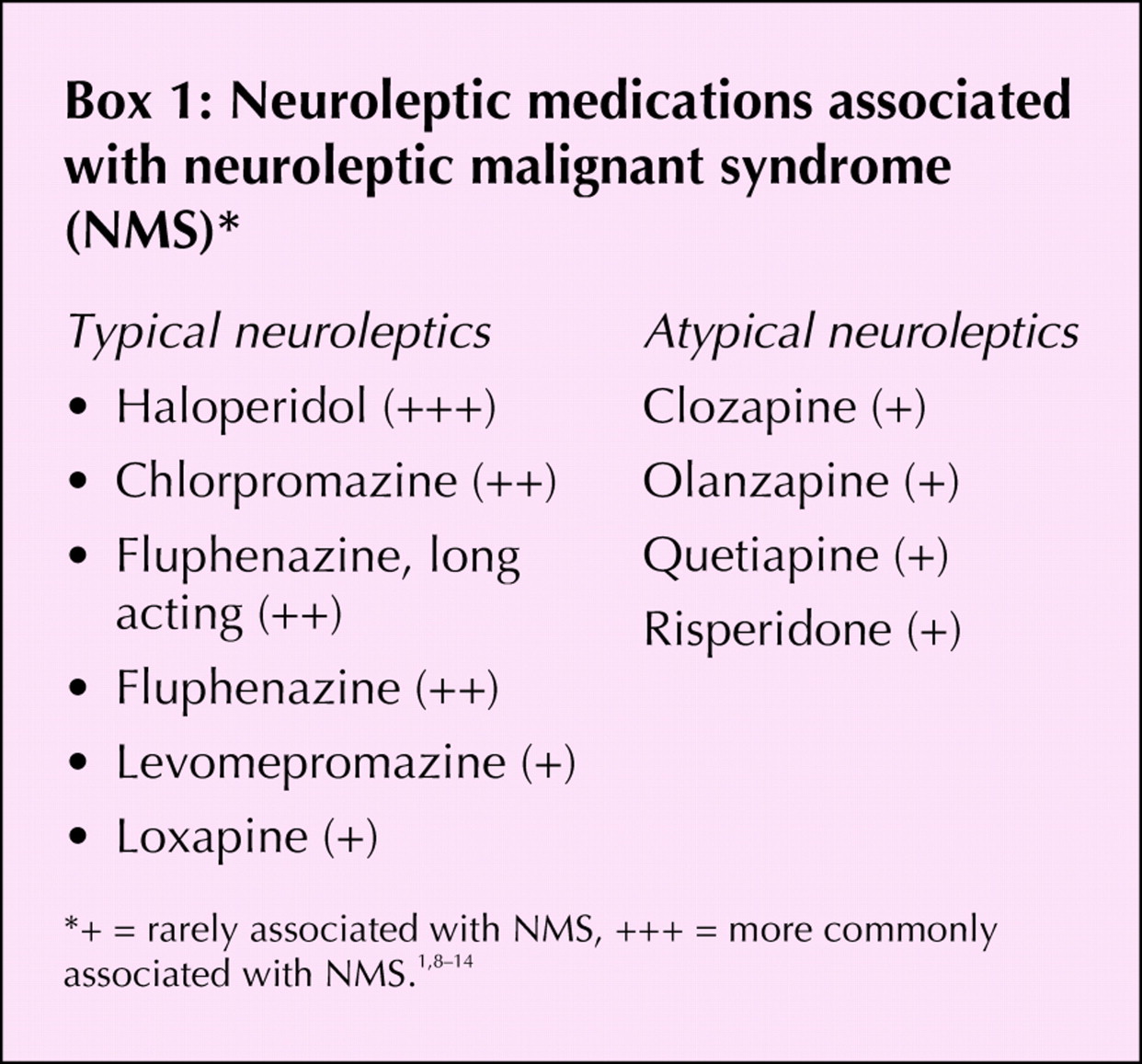
  5. In response to neuroleptics or antipsychotic medications, a life-threatening reaction that is characterized of high fever, sweating, rigid muscles, changing blood pressure, rapid heart beat and sweating can occur. This is usually referred to as neuroleptic malignant syndrome (NMS). 


drugs that cause neuroleptic malignant syndrome

⟺⟺⟺⟺⟺⟺⟺⟺⟺⟺⟺⟺⟺⟺

Pharmacy Exam Points (to remember)... Set 30

https://www.pharmacyuop.blogspot.com/2019/06/exam-points-to-remember-set-30.html
Pharmacist Exam

https://www.pharmacyuop.blogspot.com/2019/06/exam-points-to-remember-set-30.html
  1. Endotoxins are present mostly in gram-ve bacteria as an integral structural component of their outermost membrane. Endotoxin is also present in one g+ve bacteria, i.e. Listeria monocytogenes.
  2. Endotoxins are chemically lipopolysaccharides which makes them heat resistant.
  3. The lipid component of the endotoxin structure is pathogenic but not immunogenic while the polysaccharide component is immunogenic but not pathogenic.
  4. The lipid component of the endotoxin is the same in all the gram-ve bacteria which means they all will produce similar pathologies while the polysaccharide component of endotoxin is different for different bacteria which aids in identification of the specific bacteria that is involved in pathogenesis.
  5. Immunogenic means that the particular substance will poke our immune system to make antibodies against it.
  6. Endotoxins are released upon the death or disintegration of the gram-ve bacteria.
  7. Exotoxins are secreted by both the gram+ve and gram-ve bacteria.
  8. The endotoxins being integral to g-ve bacteria structure are expressed through bacterial chromosomes while the exotoxins expression may be through bacterial chromosomes, plasmids or bacteriophage DNA.
  9. Exotoxins are made up of proteins which makes them heat labile since proteins denaturation occurs upon certain heat.
  10. For endotoxin, there is no vaccine available. This is due to the fact that the pathogenic component of the endotoxin is non-immunogenic. On the other hand, vaccines are available for exotoxins owing to the fact of them being immunogenic.

👍👍👍👍👍👍👍👍👍👍👍👍

Pharmacy Exam Points (to remember)... Set 29

pharmacist doctor nurses prometric exam important points

  1. The two main types of arthritis, osteoarthritis and rheumatoid arthritis, damage joints in different ways.
  2. Osteoarthritis involves wear-and-tear damage to joint's cartilage.
  3. In rheumatoid arthritis, the body's immune system attacks the lining of the joint capsule, a tough membrane that encloses all the joint parts, known as the synovial membrane and can eventually destroy cartilage and bone within the joint.
  4. Cholecystitis is inflammation of the gallbladder. 
  5. Cholecystitis usually occurs when drainage from the gallbladder becomes blocked (often from a gallstone).
  6. The gallbladder holds a digestive fluid that is released into the small intestine, it is called as bile.
  7. Cholangitis is inflammation of the bile duct.
  8. IPQ is acronym for International Pharmaceutical Quality.
  9. GSP is acronym for Good Storage Practice.
  10. Diverticulosis is a condition in which there are small pouches or pockets in the wall or lining of any portion of the digestive tract, but commonly in colon.

Pharmacy Exam Points (to remember)... Set 28

https://www.pharmacyuop.blogspot.com/2019/05/exam-points-to-remember-set-28.html
  1. Sequela (plural; sequelae) is an aftereffect of a disease, condition, or injury.
  2. Spansule is a sustained release (SR) capsule.
  3. Intrathecal route of administration is injection into the cerebrospinal fluid (CSF).
  4. Pseudotumor cerebri (PTC) is a disorder related to high pressure in the brain. It causes signs and symptoms similar to that of a brain tumor like headaches, vision problems, nausea, and dizziness.. 
  5. Pseudotumor cerebri (PTC) is also called idiopathic intracranial hypertension. The exact cause of pseudotumor cerebri in most individuals is unknown, but it may be linked to an excess amount of CSF within the bony confines of the skull. It is also a side effect of tetracyclines usage.
  6. Bulls' eye pattern rash with red ring around it called as erythema migrans is the hallmark of Lyme disease.
  7. Post antibiotic effect (PAE) refers to continued bacterial suppression after drug concentrations falls below the minimum inhibitory concentration (MIC).
  8. Hansens' disease is another name of leprosy.
  9. Nephrotic syndrome is a collection of symptoms that indicate kidney damage. This syndrome results from a problem with the kidneys’ filters, called glomeruli. Glomeruli are tiny blood vessels in the kidneys that remove wastes and excess fluids from the blood and send them to the bladder as urine. Nephrotic syndrome includes albuminuria—large amounts of protein in the urine, hyperlipidemia—higher than normal fat and cholesterol levels in the blood, edema or swelling usually in the legs, feet, or ankles and less often in the hands or face and hypoalbuminia—low levels of albumin in the blood.
  10. Parapharmaceuticals are non-pharmacological drugs. These are natural medicines derived from natural sources - plants and animals. Also called as nutraceuticals. This was the earlier mode of treating diseases.

Pharmacy Exam Points (to remember)... Set 27

Photo:

1. Formoterol is a β2-agonist bronchodilator that is given by inhalation, and is suitable for both terminating asthma attacks as well as for twice daily prophylaxis.

2. Caffeine is more powerful than theophylline in augmentation of skeletal muscle contractility

3. Ciprofloxacin inhibits theophylline metabolism and raises its plasma concentration.

4. Theophylline is the antiasthma drug which cannot be administered by inhalation. It is an oral medication.

5. In comparison to inhaled β2 adrenergic agonists, the inhaled anticholinergics produce slower response in bronchial asthma.


6. Montelukast produces actions like bronchodilatation and suppression of bronchial hyperreactivity in bronchial asthma patients.

7. Theophylline is believed to benefit asthma patients by exerting  actions like bronchodilatation, augmentation of diaphragmatic contractility and reduced mediator release.

8. Inhaled sodium cromoglycate is the most appropriate drug for regular prophylactic therapy in a 10 year old child who suffers from exercise induced asthma.

9. Ipratropium bromide:produces additional bronchodilatation when added to nebulized salbutamol.

10. Sodium cromoglycate has a role in the treatment of chronic bronchial asthma, chronic allergic rhinitis and chronic allergic conjunctivitis but has no role in chronic urticaria.

Pharmacy Exam Points (to remember)... Set 26

Photo:
  1. The most prominent and dose related side effect of salbutamol is Β2-mediated skeletal muscle tremors.
  2. In a patient of bronchial asthma, Salbutamol is the fastest acting inhaled bronchodilator, which aborts or terminates asthma attacks.
  3. Leukotriene (cys LT1, i.e. Cysteinyl leukotriene receptor 1) receptor antagonists is the class of drugs that are clinically beneficial in bronchial asthma.
  4. Salmeterol is a long-acting selective β-2 agonist bronchodilator.
  5. Theophylline use in asthma has declined because of narrow safety margin.
  6. Relatively higher dose of theophylline is required to attain therapeutic plasma concentration in smokers.
  7. Bambuterol is a long-acting β adrenoceptor agonist (LABA) used in the treatment of asthma.
  8. Bambuterol is an orally acting bronchodilator, a prodrug of terbutaline and inhibits the enzyme pseudocholinesterase.
  9. Methylxanthines exert the following actions at cellular or molecular level: causes intracellular release of Ca2+, blockade of adenosine receptors and inhibition of phosphodiesterase (PDE) enzyme which breaks down cAMP into AMP.
  10. Caffeine is a commonly used neurostimulant that also produces cerebral vasoconstriction by antagonizing adenosine receptors which reduces cerebral blood flow.

Pharmacy Exam Points (to remember)... Set 25

Photo:
  1. Chlorpheniramine has neither specific antitussive nor expectorant nor bronchodilator action, but is commonly present in proprietary cough formulations.
  2. Noscapine (an antitussive) is present in opium but has no analgesic or addicting properties.
  3. Dextropropoxyphene is a codeine like analgesic which has poor antitussive action. Its levo-isomer is antitussive.
  4. Oxeladin, Clophedianol and Dextromethorphan are anti-tussives used in dry cough treatment.
  5. Antitussives act by raising the threshold of cough center and reducing cough-inducing impulses from the lungs.
  6. Mucokinetic is a drug which makes respiratory secretions more watery.
  7. Codeine is used clinically as an Analgesic, Antitussive and as an Antidiarrhoeal.
  8. Bromhexine (mucolytic) acts by depolymerizing mucopolysaccharides present in sputum.
  9. Potassium iodide (an expectorant) acts both directly on the airway mucosa as well as reflexly.
  10. Bronchodilators are useful in cough only when reflex bronchoconstriction is associated.

Pharmacy Exam Points (to remember)... Set 24

Photo:
  1. Allopurinol and its metabolite alloxanthine (oxypurinol) both are active and both are competitive inhibitors of xanthine oxidase.
  2. Allopurinol does not inhibit the metabolism of 6-Thioguanine but it does inhibit the metablism of 6-Mercaptopurine, Azathioprine and Theophylline since the metablism of the latter three depends upon the enzyme xanthine oxidase.
  3. Allopurinol is indicated in the following category of chronic gout patients, over producers of uric acid, under excretors of uric acid, those with tophi and/or renal urate stones.
  4. Tophi are a symptom of gout. Tophus (plural: tophi) happens when crystals of the compound known as sodium urate monohydrate or uric acid builds up around the joints. Tophi often look like swollen, bulbous growths on the joints just under the skin.
  5. Allopurinol has a therapeutic effect in radiotherapy induced hyperuricaemia, hydrochlorothiazide induced hyperuricaemia and Kala-azar but no therapeutic effect in acute gouty arthritis.
  6. Visceral leishmaniasis (VL) also known as kala azar is the most severe form of leishmaniasis. 
  7. Kala-azar is a chronic and potentially fatal parasitic disease of the viscera (the internal organs, particularly the liver, spleen, bone marrow and lymph nodes) due to infection by the parasite called Leishmania donovani.
  8. Toxoids are toxins whose pathogenic potential is negated while they still retains their immunogenic potential which makes them capable of to be used as vaccines.
  9. Endotoxins are found in the cell wall of Gram-negative bacteria and exotoxins are molecules that some bacteria make internally and secrete to the outside. Endotoxins and exotoxins are released when a bacterium lyses.
  10. Endotoxin is extremely heat-stable and thus autoclaving and boiling will not destroy all the endotoxin present. However, exotoxins are heat-labile and are autoclavable.

Pharmacy Exam Points (to remember)... Set 23

pharmacist doctor nurses prometric exam important points

  1. Among the disease modifying antirheumatic drugs, fastest symptom relief is obtained with methotrexate (immunosuppressive drug).
  2. Hyperuricaemia is produced by ethambutol, pyrazinamide and hydrochlorthiazide but not by sulfinpyrazone and probenecid which are uricosuric drugs.
  3. Indomethacin (NSAID) is the first choice drug for acute gout.
  4. NSAIDs are more commonly used than colchicine in acute gout because they are better tolerated.
  5. The drug which is neither analgesic, nor antiinflammatory, nor uricosuric but is highly efficacious in acute gout is colchicine.
  6. The most important dose-limiting adverse effect of colchicine is diarrhoea.
  7. Probenecid is an oral uricosuric drug with no analgesic or anti-inflammatory actions.
  8. Sulfinpyrazone is a uricosuric medication used to treat gout. It also sometimes is used to reduce platelet aggregation by inhibiting degranulation of platelets which reduces the release of ADP and thromboxane.
  9. Allopurinol is a purine analog. It reduces the production of uric acid by competitively inhibiting the last two steps in uric acid biosynthesis that are catalyzed by xanthine oxidase.
  10. Allopurinol lowers the plasma concentration of uric acid.

Pharmacy Exam Points (to remember)... Set 22

Photo:
  1. Hydroxychloroquine, a 4-aminoquinoline DMARD, is used as a remission inducing agent in rheumatoid arthritis.
  2. Hydroxychloroquine is less toxic than chloroquine and produces a lower incidence of retinal damage than chloroquine.
  3. Sulfasalazine, a sulfa drug of DMARD class, is used in diseases like ulcerative colitis and rheumatoid arthritis.
  4. Disease modifying antirheumatic drugs are indicated in rheumatoid arthritis along with NSAIDs in patients with progressive disease.
  5. The beneficial effect of DMARDs is manifest only after 1-3 months of therapy.
  6. Prednisolone is an anti-rheumatic drug that affords symptomatic relief but does not bring about remission in rheumatoid arthritis.
  7. Leflunomide is a disease modifying anti-rheumatic drug whose active metabolite inhibits the enzyme dihydro-orotate dehydrogenase (DHODH).
  8. Sulfasalazine, a DMARD, is made up of two components, mesalazine (5-aminosalicyclic acid or 5-ASA) and a sulfa antibiotic, called sulfapyridine. 
  9. Around 90% of the dose of sulfasalazine reaches the colon, where most of it is metabolized by bacteria into sulfapyridine and mesalazine (also known as 5-aminosalicylic acid). Both metabolites are active; most of the sulfapyridine is absorbed and then further metabolized, but most mesalazine is not, and remains in the colon.
  10. Sulfapyridine component of sulfasalazine is responsible for the therapeutic effect in rheumatoid arthritis while 5-ASA component of sulfasalazine is responsible for the therapeutic effect in ulcerative colitis.

Pharmacy Exam Points (to remember)... Set 21

Photo:
  1. Paracetamol is advantageous over NSAIDs because it is the first choice analgesic for majority of osteoarthritis patients, it can be given safely to all age groups from infants to elderly, and it is safe in pregnant or breast-feeding women.
  2. Nefopam is a centrally-acting non-opioid analgesic which does not inhibit prostaglandin synthesis. Its mechanism of action is largely unknown, but may involve inhibition of serotonin, noradrenaline and dopamine reuptake, that is acting as an SNDRI. It is used for the relief of acute and chronic pain.
  3. Topical NSAID preparations elicit symptomatic relief in soft tissue rheumatism mainly by a strong placebo effect.
  4. Ibuprofen is the anti-inflammatory analgesic that has been approved for pediatric use.
  5. Prednisolone is a reserve drug but not a disease-modifying drug in rheumatoid arthritis.
  6. Gold sodium thiomalate (or Sodium aurothiomalate, a gold compuund) in rheumatoid arthritis is used only in severe cases when other DMARDs have failed. This gold compound is given IM and is used for its immuno-suppressive anti-rheumatic effects.
  7. Auranofin is an orally-active gold compound.
  8. Auranofin is used to treat rheumatoid arthritis and is usually given when other medications have been tried without successful treatment of symptoms.
  9. Because gold salts used in treatment of RA can cause serious kidney and bone marrow problems, all patients require monitoring with regular testing of blood and urine.
  10. In the treatment of RA, gold salts also are called second-line drugs because they often are considered when arthritis persists in spite of the use of antiinflammatory drugs (NSAIDs and corticosteroids) and DMARDs.

Pharmacy Exam Points (to remember)... Set 20

Photo:
  1. Nimesulide is an efficacious anti-inflammatory drug but a relatively weak inhibitor of cyclo-oxygenase.
  2. Nimesulide exerts anti-inflammatory action by several mechanisms in addition to cyclooxygenase inhibition.
  3. The distinctive feature of nimesulide is that it is usually well tolerated by aspirin-intolerant asthma patients.
  4. Rofecoxib, a NSAID with the highest COX-2 selectivity.
  5. The selective COX-2 inhibitors have the advantage over the nonselective NSAIDs in that they are less likely to cause gastric ulcers and their complications.
  6. The highly selective COX-1 inhibitors causes gastrointestinal complications while the highly selective COX-2 inhibitors causes cardiovascular complications.
  7. In equianalgesic doses, paracetamol is safer than aspirin.
  8. Paracetamol inhibits cyclooxygenase in the brain but not at peripheral sites of inflammation.
  9. N-acetyl cysteine is beneficial in acute paracetamol poisoning because it replenishes hepatic glutathione which in turn binds the toxic metabolite of paracetamol.
  10. For a patient of peptic ulcer, the safest non-opioid analgesic is paracetamol.

Pharmacy Exam Points (to remember)... Set 19

Photo:
  1. The patient taking Indomethacin (an NSAID drug) should be cautioned NOT TO drive motor vehicle, operating heavy machinery or perform any task that require mental alertness, as this agent may cause drowsiness.
  2. Combined therapy with prednisolone (one of SAIDs) and NSAIDs carries higher risk of gastric bleeding.
  3. Aspirin is the only NSAID that inhibits the blood clotting for a prolonged period of time (four to seven days), which is why many doctors recommend it for preventing blood clots that cause heart attacks and strokes.
  4. NSAIDs have a negative effect on renal health in essentially all patients using them. The most common renal complication caused by NSAIDs is fluid retention.
  5. Complete avoidance of NSAIDs is recommended for most people with chronic kidney disease.


  6. COX-2 is the enzyme primarily present at sites of inflammation. 
  7. The anti-inflammatory action of NSAIDs is mainly due to inhibition of COX-2. 
  8. Adverse effects associated with NSAIDs include gastric irritation, fluid retention, allergic reactions (rashes, wheezing, shortness of breath).
  9. Aspirin and non-aspirin salicylates should NEVER be used in children and teenagers with suspected or confirmed chickenpox or influenza as 'Reye's syndrome' can precipitate. In general, children under the age of 16 should not take aspirin products.
  10. Ibuprofen is more appropriate in musculo-skeletal disorder where pain is more prominent than inflammation.

Pharmacy Exam Points (to remember)... Set 18

pharmacist doctor nurses prometric exam important points

  1. In the treatment of chronic inflammatory diseases, the most important limitation of aspirin is gastric mucosal damage.
  2. Generally the earliest manifestation of salicylism is tinnitus.
  3. Aspirin is contraindicated in children suffering from influenza or similar viral infection because of increased risk of Reye’s syndrome. This syndrome is rare yet serious. It can cause liver as well as brain damage, and sometimes even fatal liver disease or permanent brain damage.
  4. Aspirin is contraindicated in pregnant women near term because labour may be delayed and prolonged, blood loss during delivery may be more and foetus may suffer premature closure of ductus arteriosus.
  5. Aspirin suppresses flushing associated with large dose of nicotinic acid or niacin (niacin flush).
  6. The anti-platelet action of Aspirin requires its lowest dose as compare to analgesic, anti-pyretic and anti-inflammatory actions.
  7. Selective inhibition of thromboxane A2 synthesis by low dose aspirin therapy might retard the progression of pregnancy-induced hypertension.
  8. Phenylbutazone should be used only in patients not responding to other NSAIDs because it has the potential to cause agranulocytosis.
  9. The NSAIDs aggravate or worsen hypertension, congestive heart failure and peptic ulcer but not chronic gout.
  10. Indomethacin is an eccentric analgesic due to the fact that it frequently causes headache as a side effect.

Pharmacy Exam Points (to remember)... Set 6

Photo:
  1. Active uptake of 5-HT, noradrenaline and dopamine occurs into neurones, platelets and other storage cells, but no uptake mechanism exists for histamine. 
  2. H1-antihistaminics are beneficial in certain type I allergic reactions only. 
  3. Erythromycin should not be given to a patient being treated with terfenadine because dangerous ventricular arrhythmias can develop. 
  4. With the exception of the 5-HT3 receptor, a ligand- gated ion channel, all other serotonin receptors are G protein-coupled receptors that activate an intracellular second messenger cascade to produce an excitatory or inhibitory response. 
  5. The smooth muscle stimulating action of 5-HT is most marked in the intestines. 
  6. 5-HT appears to play NO role in the regulation of normal BP. 
  7. 5-HT appears to play a role in the regulation of intestinal peristalsis, haemostasis and causation of migraine.
  8. The cephamycins are a special subset of 2nd generation cephalosporins, noted for their activity against anaerobic bacteria especially Bacteroides fragilis. Common examples of cephamycins are cefotetan and cefoxitin.
  9. Antiinflammatory dose of aspirin given to diabetics is prone to cause hypoglycaemia.
  10. The plasma half-life of aspirin (along with salicylic acid released from it) is longer for anti-inflammatory doses compared to that for analgesic dose.